When renting out a dumpster, several essential considerations can make all the distinction in guaranteeing a smooth, efficient, and affordable waste disposal procedure. Identifying the appropriate dumpster size is vital, as it straight affects expenses and efficiency. Rental duration options, ranging from a few days to numerous weeks or months, need to be very carefully evaluated to suit job needs. In addition, recognizing debris type and weight limits, along with placement and accessibility issues, can prevent unforeseen expenditures and security problems. By thinking about these elements and budgeting as necessary, renters can ensure a problem-free experience; explore the details of each factor to consider to enhance your dumpster rental.
Determining the Right Dumpster Size
When undertaking a job that needs waste disposal, selecting the proper dumpster size is essential to confirm efficient and cost-effective elimination of debris. Incorrectly sizing a dumpster can bring about additional costs, delays, and even safety hazards
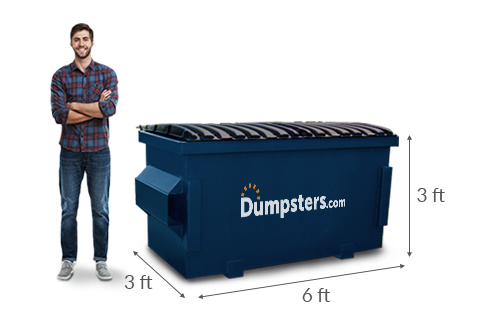
To determine the ideal dumpster size, take into consideration the kind and volume of waste you expect to generate. Measure the area where the dumpster will be put to validate it fits conveniently. Normal dumpster sizes vary from 10 to 40 cubic lawns, with 20 and 30 cubic backyards being one of the most popular.
When approximating the quantity of waste, consider the weight and density of products. As an example, heavy materials like concrete or asphalt need bigger dumpsters, while lighter materials like drywall or roof roof shingles can fit in smaller ones.
Additionally, consider any kind of special requirements, such as refrigerant disposal or big device removal. By properly examining your needs, you can select the best dumpster size, validating a smooth and successful project.
Understanding Rental Period Options
A https://telegra.ph/Planning-a-Large-Clean-up-Heres-Just-how-a-Dumpster-Makes-it-Easier-02-08 construction timeline is just as solid as its waste administration plan, and an important aspect of that plan is recognizing rental duration options for dumpsters.
Rental periods can vary depending on the project's scope and timeline, and it's vital to choose the right alternative to stay clear of unnecessary expansions or charges. Commonly, rental periods range from a few days to numerous weeks or even months.

Short-term rentals are perfect for little tasks or events, while long-term rentals are better suited for large-scale building or demolition jobs. Some dumpster rental firms offer flexible rental periods, allowing you to readjust the period as needed.
It's crucial to discuss your job's certain needs with the rental business to establish one of the most cost-effective and convenient rental duration. Make sure to ask about any kind of extra fees connected with extensions or early discontinuation to guarantee you're getting the most effective worth for your money.
Debris Type and Weight Limits
Here are some vital considerations:
Heavy materials: Hefty products like concrete, asphalt, and dust have greater weight restrictions than lighter materials like paper and cardboard.
Hazardous materials: Unsafe materials like batteries, electronics, and chemicals require unique disposal treatments and may not be allowed in normal dumpsters.
Organic materials: Organic products like food waste and yard trimmings might go through certain guidelines and weight limits.
Construction materials: Building materials like roofing tiles, drywall, and lumber have particular weight restrictions and disposal requirements.
Understanding the debris type and weight limits of your dumpster service is essential to guarantee a smooth and cost-efficient disposal process.
Placement and Availability Concerns
Proper dumpster placement is just as important as comprehending debris type and weight limits, as it directly influences the efficiency and safety of the disposal procedure. A well-placed dumpster warranties very easy accessibility for filling and discharging, decreasing the threat of crashes and injuries.
It is essential to identify a flat, steady surface that can sustain the weight of the dumpster and its components. Additionally, the positioning should enable sufficient space to steer around the dumpster, allowing simple accessibility for disposal trucks.
Accessibility is an additional vital aspect to think about. Verify that the dumpster is situated in an area that is easily accessible for your group or house members. This will promote effective loading and decrease the danger of accidents.
Moreover, review the proximity of the dumpster to the area where debris is being generated. Placing the dumpster close can reduce labor costs and enhance productivity.
Budgeting for Rental and Disposal
Establish a thorough allocate dumpster rental and disposal by thinking about numerous crucial factors to stay clear of unanticipated expenses.
A well-planned spending plan assurances you're planned for the expenses related to renting a dumpster and throwing away waste.
Rental Period: Determine the period you'll need the dumpster, as this directly affects the total cost.Be sure to consider any possible expansions or adjustments to your task timeline.
Dumpster Size: Pick a dumpster dimension that fits your job's needs, as larger dumpsters set you back more.Consider the type and quantity of waste you'll be dealing with to pick the right size.
Disposal Fees: Research neighborhood disposal fees, which vary relying on the type and weight of waste.
Make sure to consist of these costs in your budget plan to avoid surprises.
Delivery and Pickup: Factor in the prices of supplying and grabbing the dumpster, as well as any type of possible additional charges for fuel surcharges or travel time.