Renting the right dumpster for your job involves a mindful consideration of numerous factors, including waste volume, dumpster size, and type, in addition to local regulations and supplier choices, to guarantee effective waste disposal, cost financial savings, and an effective task outcome. By adhering to seven essential steps, you can prevent common blunders and find the ideal dumpster for your demands. From estimating waste volume to assessing rental agreements, each step is essential in ensuring a hassle-free experience. By making the effort to get it right, you'll have the ability to focus on what matters most - completing your project effectively, and discovering the nuances of each step can make all the difference.
Determine Job Waste Volume
Estimating the volume of waste your task will certainly generate is a critical step in establishing the size of the dumpster you'll require to lease. This assures you have sufficient area to dispose of all the waste without overruning the dumpster, which can bring about additional costs and logistical issues.
To accurately estimate waste quantity, think about the type and quantity of materials you'll be dealing with, in addition to the scope of your project. For example, a cooking area restoration will likely generate more waste than a simple landscape design task. You can additionally consult with your specialist or job manager to obtain a far better understanding of the waste output.
Additionally, take into consideration any kind of local policies or guidelines that might influence waste disposal. By having a clear understanding of your project's waste volume, you can make an informed choice when choosing the right dumpster size for your needs.
Choose the Right Dumpster Size
With a clear understanding of your project's waste volume, you can now concentrate on selecting the ideal dumpster dimension to suit your needs.
The right size dumpster guarantees reliable waste disposal, saves you cash, and avoids unneeded headaches.
When choosing a dumpster size, consider the list below factors:
- Project scope: Larger tasks need bigger dumpsters to handle the raised waste volume. Debris type: Heavy or bulky products, like building and construction waste, require even more room than lighter materials, like family trash. Space constraints: Think about the available room at your task website for dumpster placement and accessibility. Local regulations: Consult local authorities for any kind of dimension constraints or regulations regulating dumpster use in your area.
Select the Correct Dumpster Type
Several dumpster types are readily available to deal with diverse project requirements, each designed to take care of particular waste disposal requirements efficiently. The most typical types include roll-off dumpsters, front-load dumpsters, and rear-load dumpsters
Roll-off dumpsters are ideal for large-scale jobs, such as construction or demolition, needing a substantial amount of waste disposal. Front-load dumpsters appropriate for business or industrial use, supplying a small option for everyday waste management. Rear-load dumpsters, on the various other hand, are best for families or local business, providing a practical and space-saving option.
When picking a dumpster kind, think about the job's range, waste quantity, and spatial constraints. As an example, a roll-off dumpster may not be practical for houses with restricted area, while a front-load dumpster may not be suitable for massive building and construction projects.
Consider Added Functions Needed
Once the proper dumpster type is selected, focus turns to the additional attributes that can further enhance garbage disposal efficiency.
These features can make a significant distinction in the ease, safety and security, and cost-effectiveness of your project.
Some key functions to consider consist of:
- Gate-style doors: Permit much easier loading and discharging of hefty or bulky items Ramps: Make it possible for secure and reliable loading of heavy tools or materials Locks: Give included protection and prevent unapproved access to the dumpster Weight certificates: Warranty precise weight measurements for payment purposes, preventing potential disputes
Check Neighborhood Regulations and Rules
Compliance with regional regulations and https://telegra.ph/The-10-Step-Dumpster-Rental-Process-10-30 policies is a critical aspect of renting a dumpster, as it ensures a smooth and hassle-free job execution. Failure to conform can result in penalties, fines, and also task delays. Subsequently, it is necessary to study and comprehend the local regulations and regulations regulating dumpster rental in your area.
Check with your city government or public works department to establish if you need any permits or licenses to rent a dumpster. Some cities may need a permit to place a dumpster on the street or walkway, while others may have specific rules regarding the size or sort of dumpster used.
Additionally, some areas might have homeowners' organization rules that limit dumpster placement or usage.
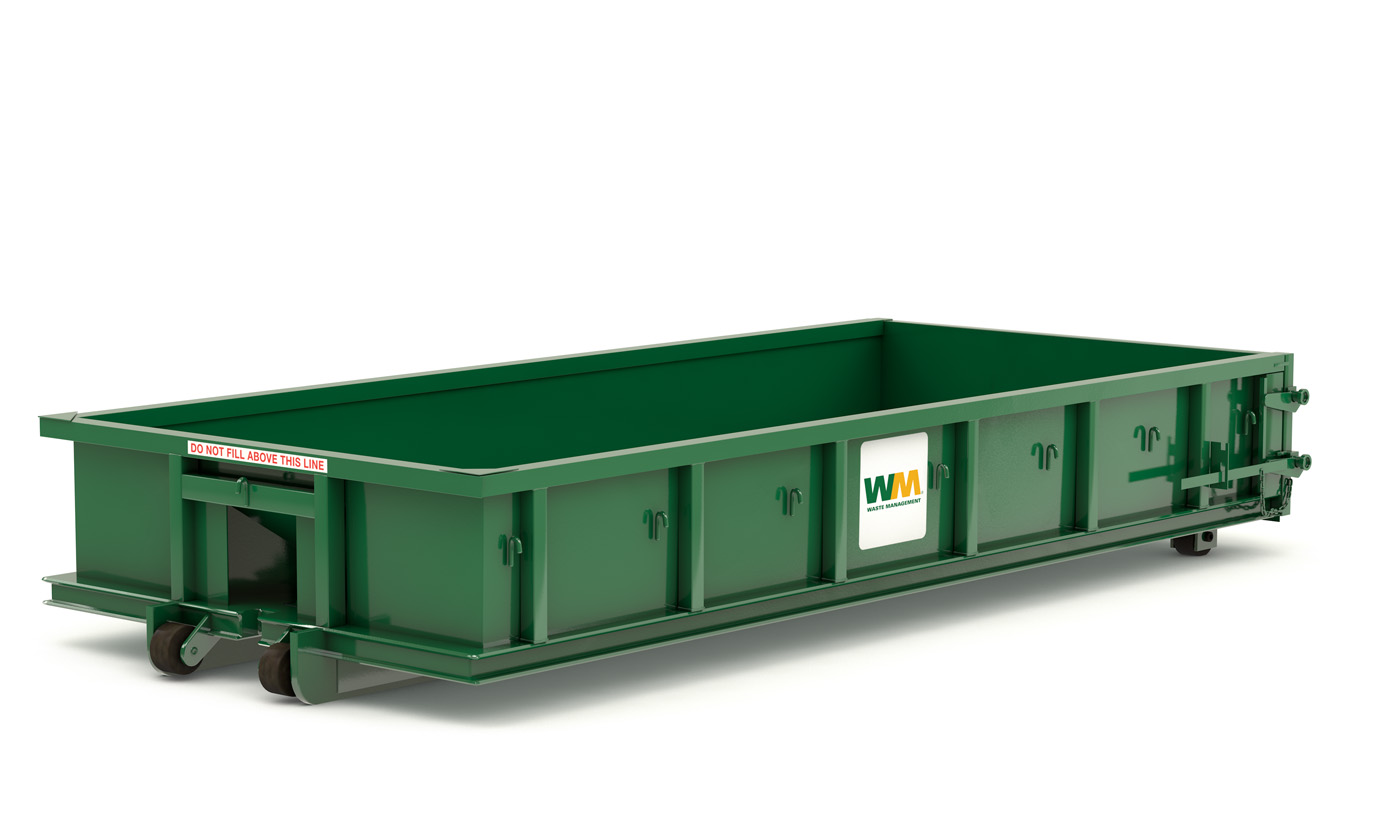
It is additionally important to talk to your waste management provider to see if they have any kind of particular demands or restrictions.
Get Prices quote From Numerous Providers
Having ensured you're compliant with regional guidelines, you can currently focus on locating the ideal dumpster rental provider for your project.
This step involves obtaining quotes from several providers to ensure you're obtaining the very best deal for your demands and budget.
Comparing quotes from various suppliers permits you to evaluate their services, prices, and reputation. When requesting quotes, make certain to supply each carrier with the exact same job information to ensure precise comparisons.
Here are key aspects to consider when evaluating quotes: - The dimension and sort of dumpster supplied - The rental period and flexibility - The total cost, including any extra charges - The carrier's reputation, customer service, and reviews
Review and Settle the Rental
Evaluating quotes from numerous companies has equipped you with an extensive understanding of the market, enabling you to make an enlightened choice about which rental carrier to partner with for your project.
Now, it's time to examine and finalize the rental agreement Carefully examine the terms and conditions, verifying they align with your job's requirements and budget.
Verify the dumpster size, rental period, and pricing to avoid any type of shocks. Check if the provider supplies additional services, such as shipment, pickup, and disposal fees.
Review the service provider's insurance policy and responsibility protection to protect on your own and your property.
Finally, verify the supplier's reputation and customer solution ratings to ensure a smooth rental experience.