When it involves dumpster rentals, making informed decisions regarding dimension, expense, and placement is vital to making sure a successful project, and obtaining it right can make all the difference between staying on routine and looking at budget. To select the right dumpster size, think about the weight and density of materials, and precisely estimate waste kind and volume. Understand that rental duration and area impact costs, and permit requirements vary by region. By focusing on these necessary factors, you can avoid expensive surprises and maximize your project's performance. Dive much deeper to uncover a lot more experienced pointers for a smooth dumpster rental experience.

Choosing the Right Dumpster Size
To determine the best dumpster size for your project, take into Check out the post right here consideration the kind and amount of waste you anticipate to generate.
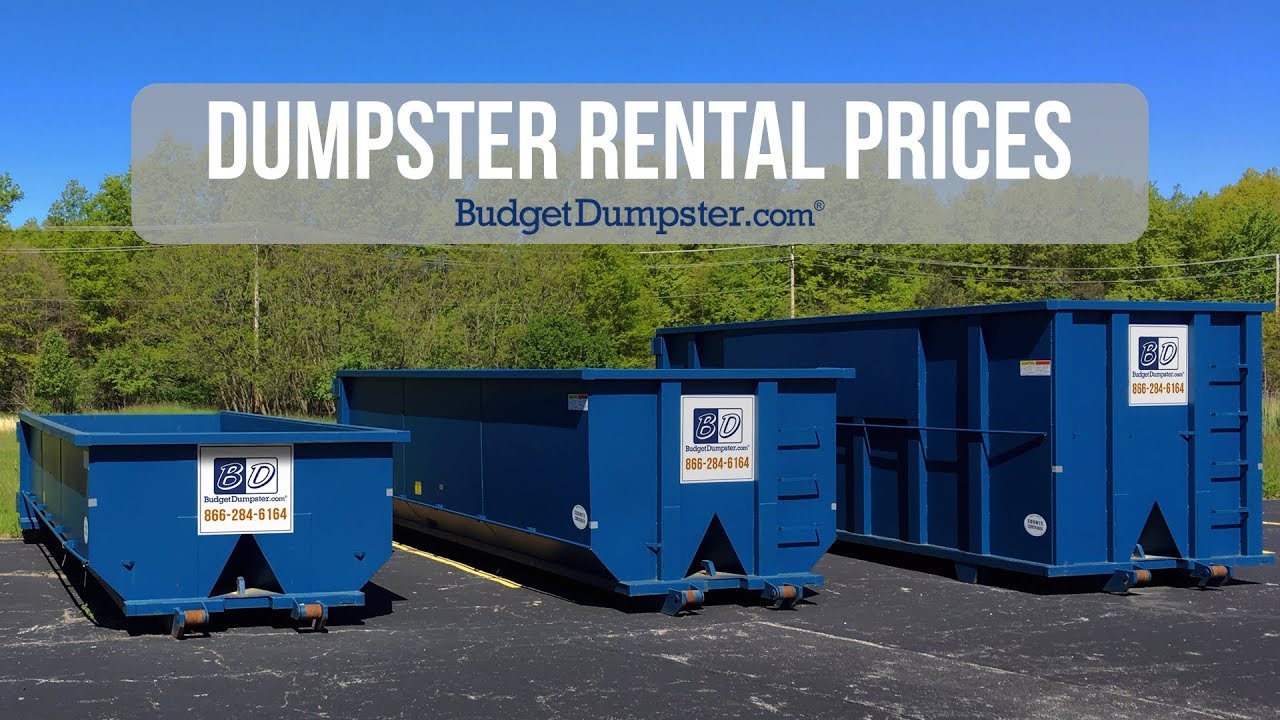
For example, a 10-yard dumpster is suitable for small to medium-sized projects, such as shower room or kitchen area remodels, while a 30-yard dumpster is much better suited for larger projects, like building or demolition.
Additionally, consider the weight and density of the materials you will certainly be throwing away, as this can also influence the dimension of the dumpster you need.
Understanding Dumpster Rental Costs
Now that you have actually picked the appropriate dumpster dimension for your task, it's time to ponder the monetary aspect of your waste management solution.
Understanding dumpster rental expenses is necessary to remaining within your spending plan and guaranteeing an effective project.
There are a number of variables that affect the general price of dumpster service, including:
Rental duration: The longer you need the dumpster, the extra you'll pay. Make sure to approximate your project timeline properly to stay clear of unneeded extensions.
Dumpster dimension and type: Larger dumpsters and specialty dumpsters (e.g., building and construction or lawn waste) usually set you back more than smaller, conventional dumpsters.
Location and distribution fees: Rental firms might charge added for distribution, pick-up, and disposal charges, especially if you're located in a remote area.

Weight and disposal fees: Much heavier dumpsters or those consisting of forbidden products can result in added fees.
Permitting and Positioning Essentials
Project logistics usually rest on securing the necessary permits and purposefully positioning the dumpster on site. Falling short to do so can lead to costly fines, task delays, and also lawful action.
To guarantee a smooth rental experience, it's essential to research and get the required permits and licenses from regional authorities. This may consist of getting a structure authorization, zoning authorization, or street use permit, relying on your place and job type.
When it concerns placement, consider the dumpster's dimension, accessibility, and exposure. Area the dumpster in a convenient location that allows for very easy loading and decreases blockage to pedestrian or automotive traffic.
Ascertain the dumpster is placed on a level, steady surface area, far from power lines, trees, and other prospective risks. Additionally, think about the dumpster's distance to your workspace, as this can impact labor efficiency and general task productivity.